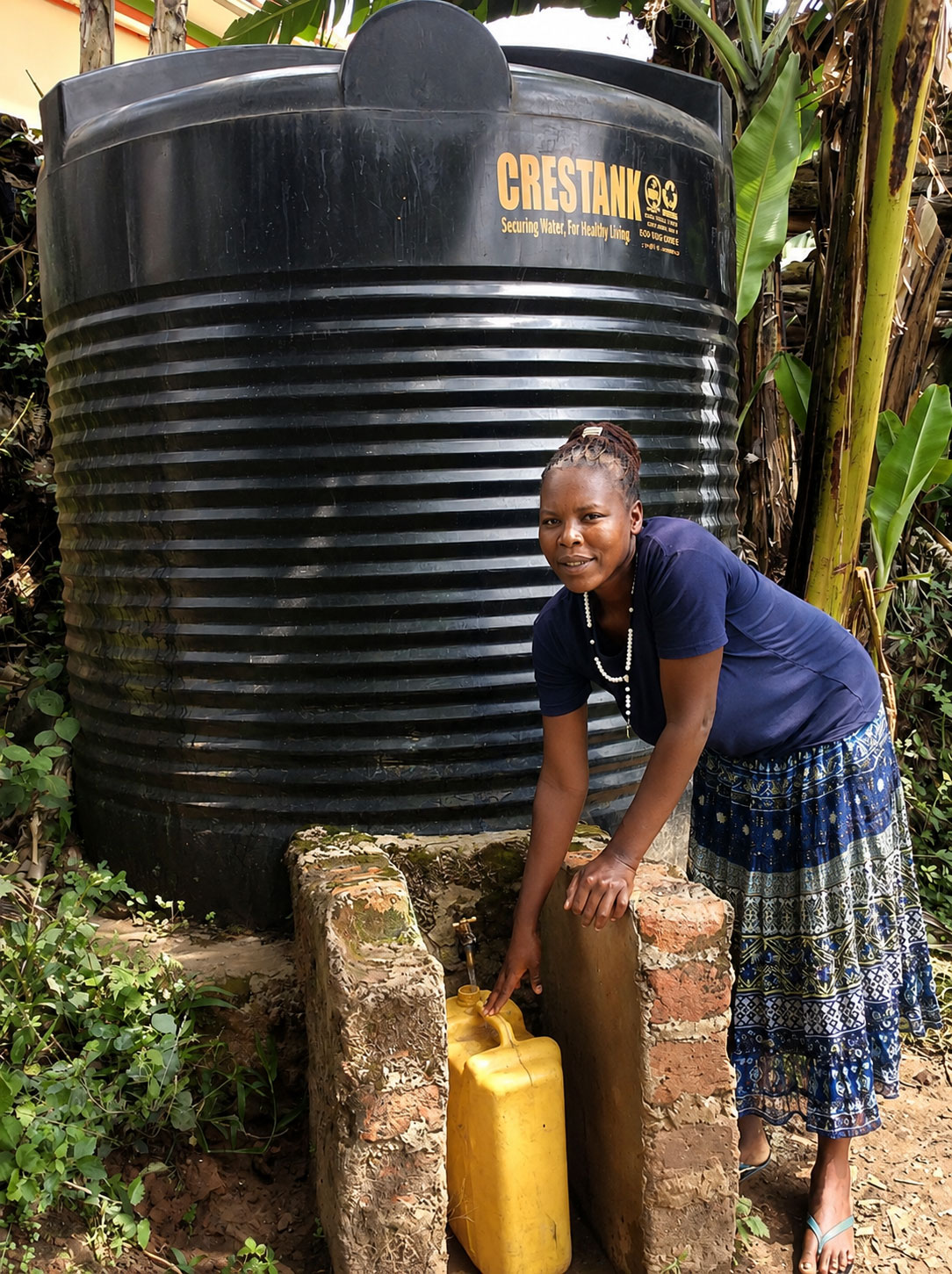
Water, Sanitation and Hygiene
Empowering Communities to Protect Their Health While Creating Environments Where Women, Girls, And Vulnerable Households Can Thrive
Bwindi Women Arise recognises that access to clean water, adequate sanitation, and proper hygiene is a basic human right and a critical foundation for healthy, productive, and resilient communities. Water, Sanitation and Hygiene (WASH) are closely linked to improved health outcomes, educational achievement, gender equality, environmental sustainability, and economic development. However, many rural communities around Bwindi continue to face significant challenges in accessing safe water sources and adequate sanitation facilities. These challenges expose families to preventable diseases, increase healthcare costs, and place an overwhelming burden on women and girls who are primarily responsible for collecting water and maintaining household hygiene.
The WASH Programme seeks to address these challenges through practical, sustainable, and community-driven interventions that improve access to safe water, promote proper sanitation, and encourage positive hygiene practices. By investing in rainwater harvesting systems, hygiene education, and sanitation improvements, Bwindi Women Arise empowers communities to protect their health while creating environments where women, girls, and vulnerable households can thrive. The programme also strengthens resilience to climate variability by providing reliable water sources for homes, schools, and health facilities. Through these integrated efforts, Bwindi Women Arise is helping build healthier communities where every individual has the opportunity to live with dignity, safety, and improved well-being.
Key Focus Areas
1. Improving Access to Safe Water: The programme installs rainwater harvesting tanks in schools, health centres, and households to provide reliable access to clean water throughout the year. This reduces dependence on unsafe water sources and helps prevent waterborne diseases while easing the daily burden of water collection.
2. Promoting Safe Sanitation: Bwindi Women Arise supports the improvement of sanitation facilities by encouraging the construction and proper use of safe, clean, and accessible latrines. Improved sanitation reduces environmental contamination, limits disease transmission, and creates healthier living and learning environments for families and communities.
3. Hygiene Education and Behaviour Change: The programme conducts community awareness campaigns and practical training on handwashing, safe water handling, personal hygiene, and environmental cleanliness. These initiatives encourage positive hygiene behaviours that reduce preventable illnesses and promote healthier lifestyles among children and adults.
4. Empowering Women and Girls: Recognising that women and girls are most affected by water and sanitation challenges, the programme prioritises their needs through targeted interventions. By reducing the time spent collecting water and improving access to sanitation and menstrual hygiene resources, women and girls can devote more time to education, livelihoods, leadership, and personal development.
Impact Assessment- Water, Sanitation and Hygiene (WASH)
The WASH Programme has contributed to healthier households, improved school attendance, and stronger community resilience by increasing access to safe water and promoting better sanitation and hygiene practices. Families experience fewer waterborne diseases, reducing medical expenses and improving overall well-being. Women and girls spend less time collecting water, allowing greater participation in education, income-generating activities, and community leadership. Schools and health facilities benefit from reliable water supplies, creating safer and more hygienic environments. Collectively, these interventions strengthen public health, enhance dignity, and improve the quality of life for vulnerable communities throughout the Bwindi region.
Pad Her
Celebrating Clean and Safe Menstrual Cycles:
The Pad Her Initiative is dedicated to ensuring that every girl and woman experiences menstruation safely, confidently, and with dignity. Through the distribution of reusable, safe, and environmentally friendly sanitary pads, the initiative addresses one of the major barriers to girls' education and women's well-being. In addition to providing menstrual products, Pad Her promotes menstrual health education, raises awareness to challenge harmful myths and stigma, and encourages open conversations about menstrual hygiene. By empowering girls and women with knowledge and essential resources, the initiative improves school attendance, builds self-confidence, protects health, and enables women and girls to participate fully in education, work, and community life
Every girl deserves the opportunity to manage her period with dignity, comfort, and confidence.
Feel free to join our Pad her campaign. (put a button to contact us)
Together, we are creating opportunities, restoring dignity, and empowering women and girls to rise above challenges and thrive.
QUICK LINKS
CONTACT INFORMATION
© 2026 by Bwindi Women Arise - All Rights Reserved